
The CoALA Lab
Co-Augmentation, Co-Learning, & Collaborative AI
Research areas

Augmenting human intelligence
How can we design technologies that augment human cognitive abilities — bringing out the best of human expertise to address complex real-world challenges?

Participatory and expertise-driven AI
How can we scaffold more collaborative and participatory approaches to AI development — integrating diverse human expertise (e.g., domain, lived, and technical expertise) across the lifecycle from ideation to problem formulation to design & evaluation?

Designing for complementarity
How might we design systems to combine complementary strengths of humans and AI systems — elevating human expertise and on-the-ground knowledge rather than diminishing it?
Values
Taking an iterative, de-risking approach to research. At each stage of a project, we identify the quickest research methods (e.g., interviews, observations, lightweight prototypes, or small pilot studies) to get the insights we need to resolve our largest uncertainties. We regularly reflect and re-plan together.
Giving credit where it is due. We credit each other and other researchers/designers appropriately! For instance, this set of principles borrows from Glassman Lab @ Harvard SEAS and from the OH Lab @ CMU. This website’s header image and lab logo were designed by Natalia Oskiera and Mary Beth Kery, respectively!
Understanding the broader contexts in which we work, and addressing meaningful problems. Many of the issues we study in this lab (e.g., in human-AI interaction, futures of work, and algorithmic justice & fairness) are tied to deep-rooted systemic, societal problems. At times, our expertise in HCI will be best suited towards making meaningful progress on relatively small pieces of these problems. However, we will frequently reflect on how we might more effectively direct our efforts, through new interdisciplinary collaborations, research-practice and community partnerships, or problem reformulation.
Taking care of ourselves and each other. We prioritize getting enough sleep and attending to our mental and physical health, so that we can bring our best selves to our work. We also actively work to support each other, and lift each other up! When conflicts arise, we give each other a chance to communicate, rather than letting negative feelings simmer in silence. We show each other respect and treat each other as colleagues.
Making tacit knowledge visible. We believe that each generation of researchers and designers should work to ensure that the next generation faces fewer unnecessary hurdles than they themselves did. With fewer hurdles in their way, more people will have more opportunities to advance our fields. In line with this belief, we value sharing tacit knowledge with newcomers to the lab, and shining a light on “hidden curricula”.
Supporting students’ goals, whatever those may be. We recognize that students at all levels may have a wide range of career goals. We support each other’s goals and help each other reach them!
Reflecting on our personal and community practices. This set of values will evolve over time. Every lab member can contribute to shaping the kind of lab they want to be a part of, and we will work together to make it happen!
To learn more, check out the CoALA Lab PhD Handbook!
People

Ken Holstein
Lab Director
Janne Rotter
PhD Researcher @ EPFL + ETHZ
(HCI + AI + Learning Sciences)
co-advisor: Menna El-Assady

Hayden Stec
PhD Researcher @ EPFL
(HCI + AI + Learning Sciences)
co-advisor: Tanja Käser
Sophie Chavigny
PhD Researcher @ HEP + EPFL
(HCI + AI + Learning Sciences)
co-advisor: Marco Barroca-Paccard

Tzu-Sheng Kuo
PhD Researcher @
CMU
(HCI + AI + Social Computing)
co-advisor: Haiyi Zhu
Chenyang Wang
Postdoctoral Researcher @ EPFL
(HCI + AI + Learning Sciences)
Anna Sotnikova
Postdoctoral Researcher @ EPFL
(NLP + HCI + Learning Sciences)
Yuanhao Zhang
Visiting PhD Researcher @ EPFL
(HCI + AI + Social Computing)
Sarah Badr
Masters Thesis Researcher @ EPFL
(Data Science)

Sandra Hünsch
Administrative Assistant @ EPFL
CoALA Alums
(...or "CoALums", if you will)
PhD
Alicia DeVrio (CMU PhD ‘26)
→ Assistant Professor, Georgia Tech
Luke Guerdan (CMU PhD ‘26)
→ Research Engineer, Duolingo
Frederic Gmeiner (CMU PhD ‘26)
→ Senior Applied Scientist, Microsoft
Anna Kawakami (CMU PhD ‘26)
→ AI Research Scientist, Center for AI Standards and Innovation (CAISI) at NIST
Wesley Hanwen Deng (CMU PhD ‘26)
→ Senior Researcher, Microsoft Research
Charvi Rastogi (CMU PhD ‘23)
→ Research Scientist, Google DeepMind
Postdoc
Devansh Saxena (CMU Postdoc ‘25)
→ Assistant Professor, University of Wisconsin-Madison
LuEttaMae Lawrence (CMU Postdoc ‘21)
→ Assistant Professor, Utah State University
Alex Ahmed (CMU Postdoc ‘21)
→ Developer, Sassafras Tech Collective
Highlighted work
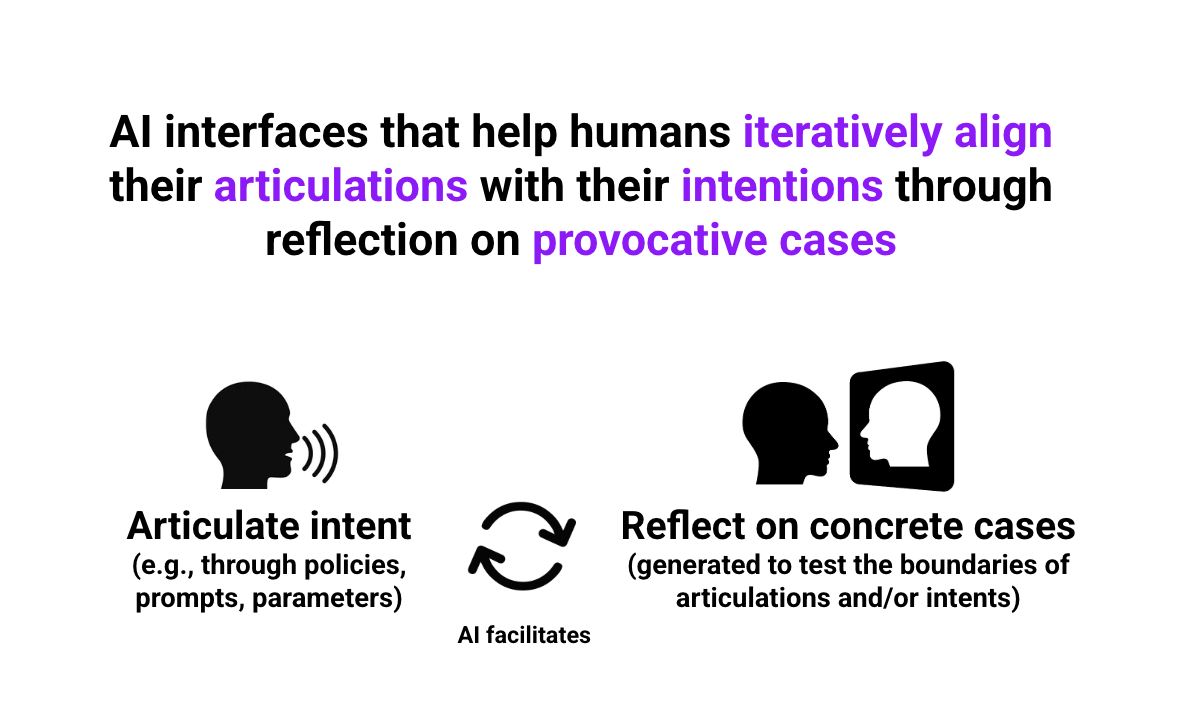
Botender: Supporting communities in collaboratively designing AI agents through case-based provocations [CHI’26]
Kuo, T. S., Liu. S., Chen, Q. Z., Seering, J., Zhang, A. X., Zhu, H.**, Holstein, K.**

Policy maps: Tools for guiding the unbounded space of LLM behaviors [UIST’25]
Lam, M. S., Hohman, F., Moritz, D., Bigham, J. P., Holstein, K.**, Kery, M. B.**
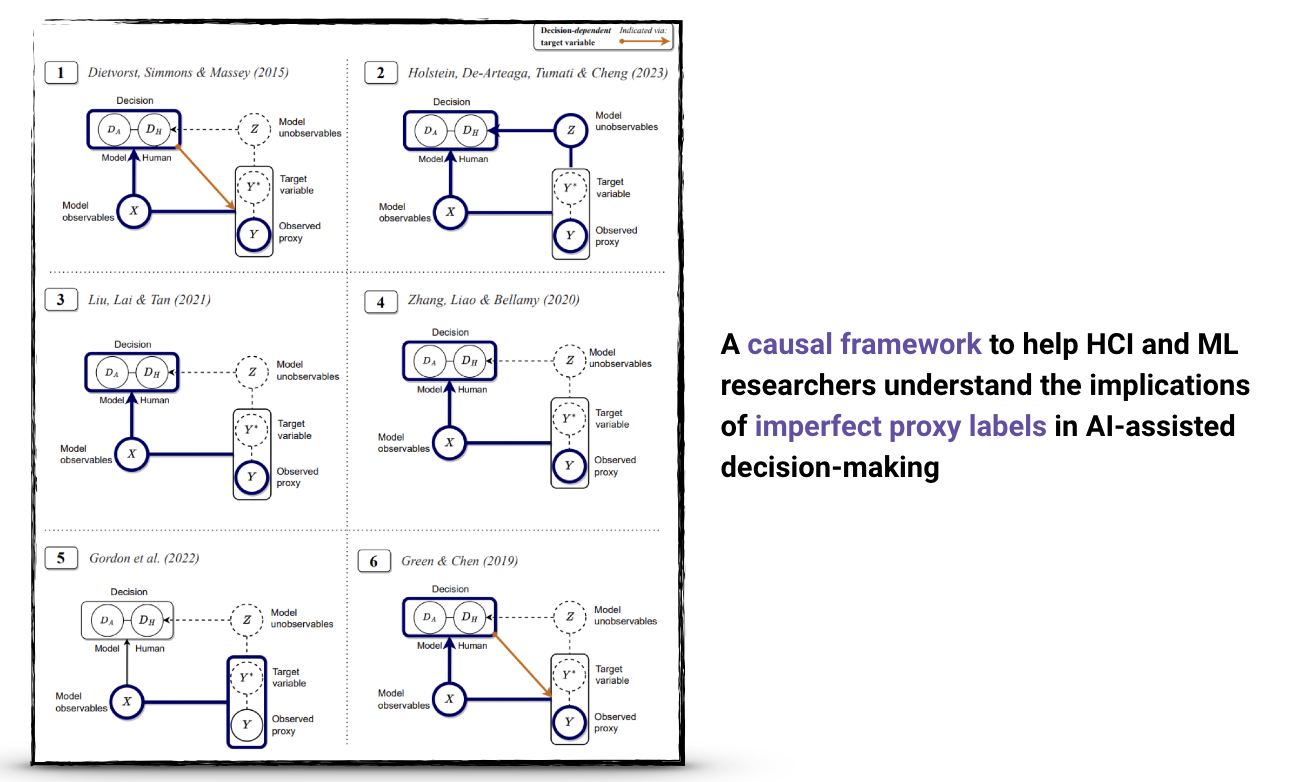
Ground(less) truth: A causal framework for proxy labels in human-algorithm decision-making [FAccT’23]
Guerdan, L., Coston., A., Wu, Z. S., & Holstein, K.

PolicyCraft: Supporting collaborative and participatory policy design through case-grounded deliberation [CHI ‘25]
Kuo, T. S., Chen, Q. Z., Zhang, A. X., Hsieh, J., Zhu, H.**, & Holstein, K.**


Understanding frontline workers’ and unhoused individuals’ perspectives on AI used in homeless services [CHI’23]
Best Paper Award
Kuo, T.*, Shen, H.*, Geum, J. S., Jones, N., Hong, J. I., Zhu, H.**, Holstein, K.**
Student learning benefits of a mixed-reality teacher awareness tool in AI-enhanced classrooms [AIED’18]
Best Paper Award
Holstein, K., McLaren, B. M., & Aleven, V.
(also see our follow-up article: AI Magazine ’22)

Human-AI partnerships in child welfare: Understanding worker practices, challenges, and desires for algorithmic decision support [CHI’22]
Best Paper Honorable Mention Award
Kawakami, A., Sivaraman, V., Cheng, H., Stapleton, L., Cheng, Y., Qing, D., Perer, A., Wu, Z. S., Zhu, H., & Holstein, K.
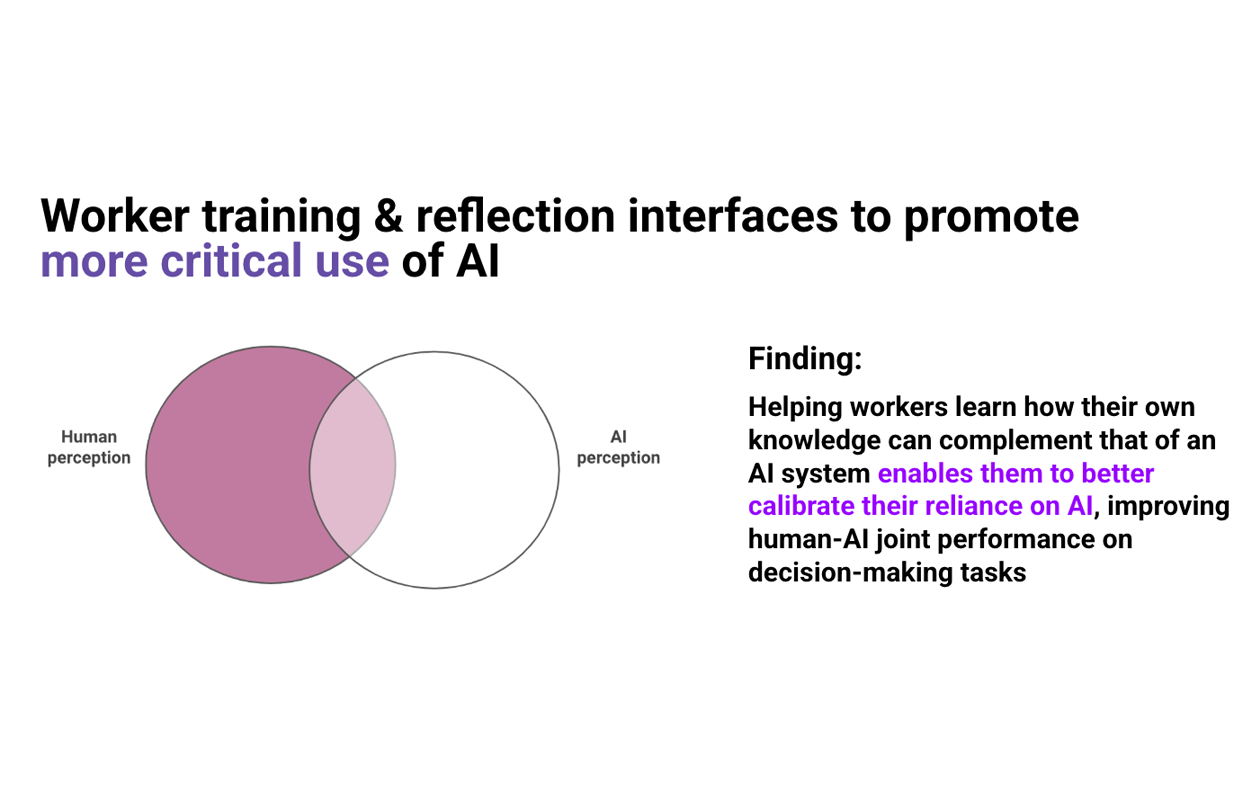
Improving human-machine augmentation via metaknowledge of unobservables [SSRN’26]
De-Arteaga, M.** & Holstein, K.**
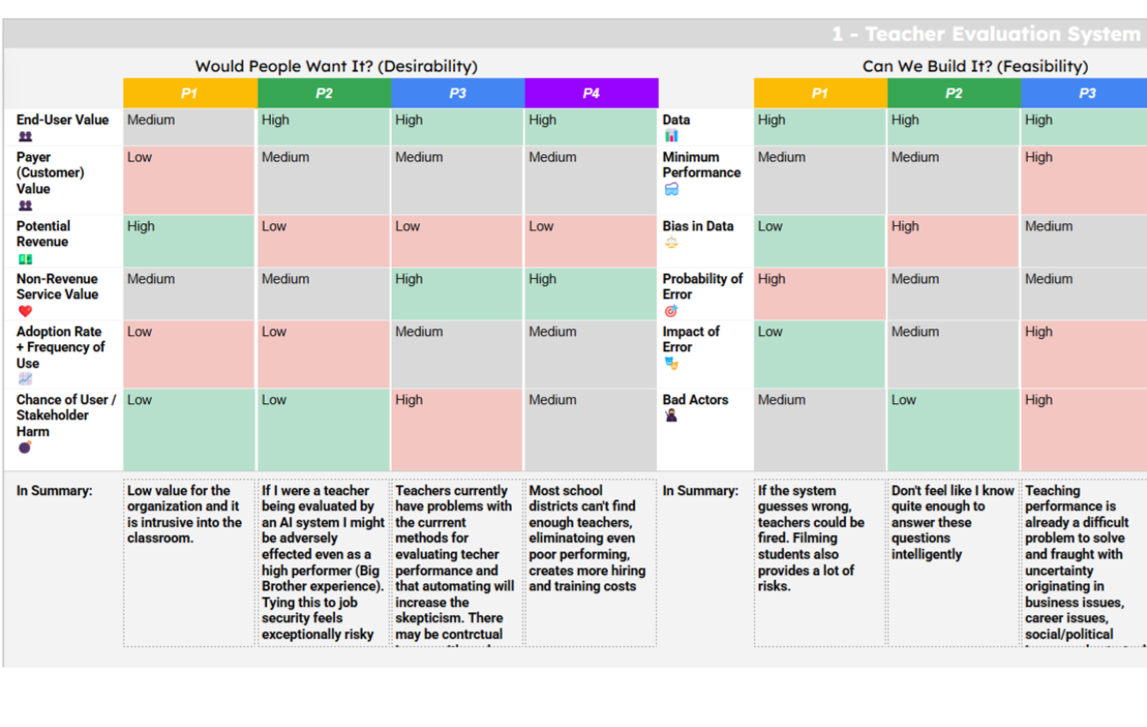
Making the right thing: Bridging HCI and responsible AI in early-stage AI concept selection [DIS’25]
Best Paper Honorable Mention Award
Jung, J. Y.*, Saxena, D.*, Park, M., Kim, J., Forlizzi, J., Holstein, K., Zimmerman, J.
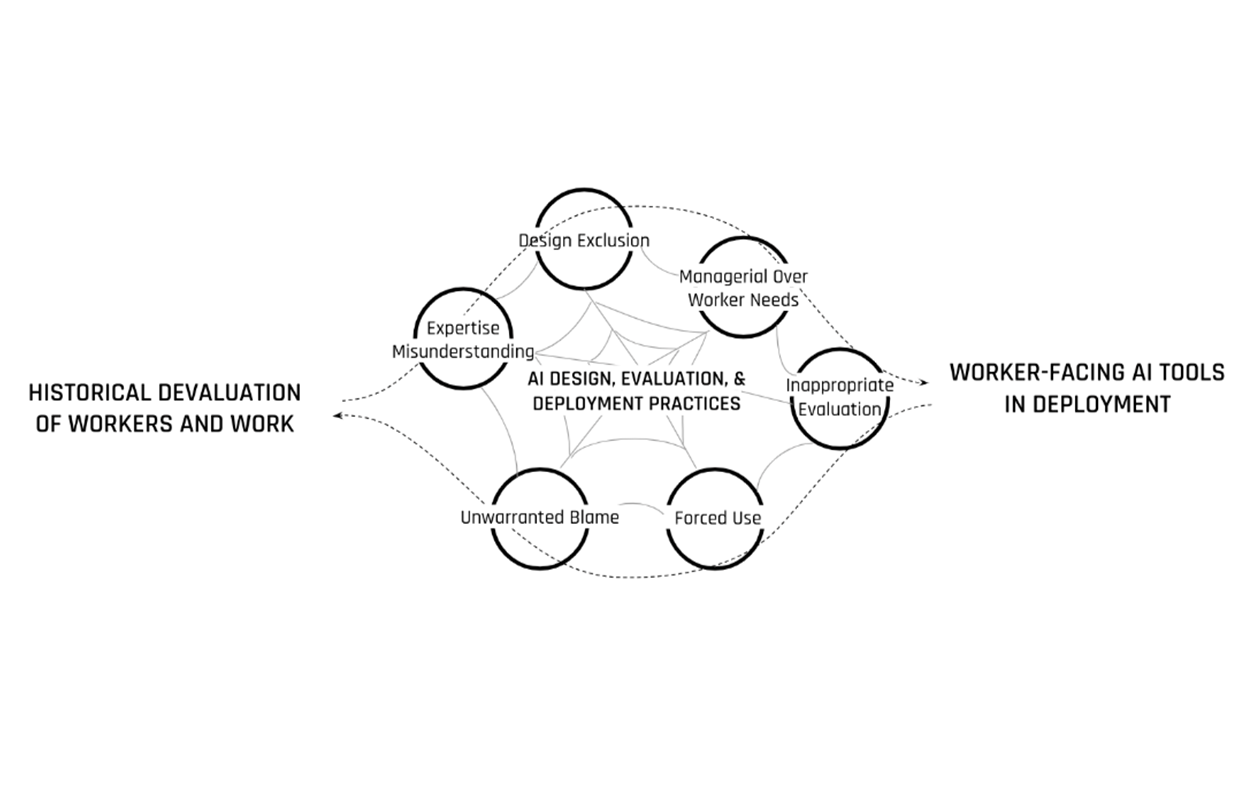
AI failure loops in devalued work: The confluence of overconfidence in AI & underconfidence in worker expertise [BD&S’26]
Kawakami, A., Taylor, J., Fox, S., Zhu, H., & Holstein, K.
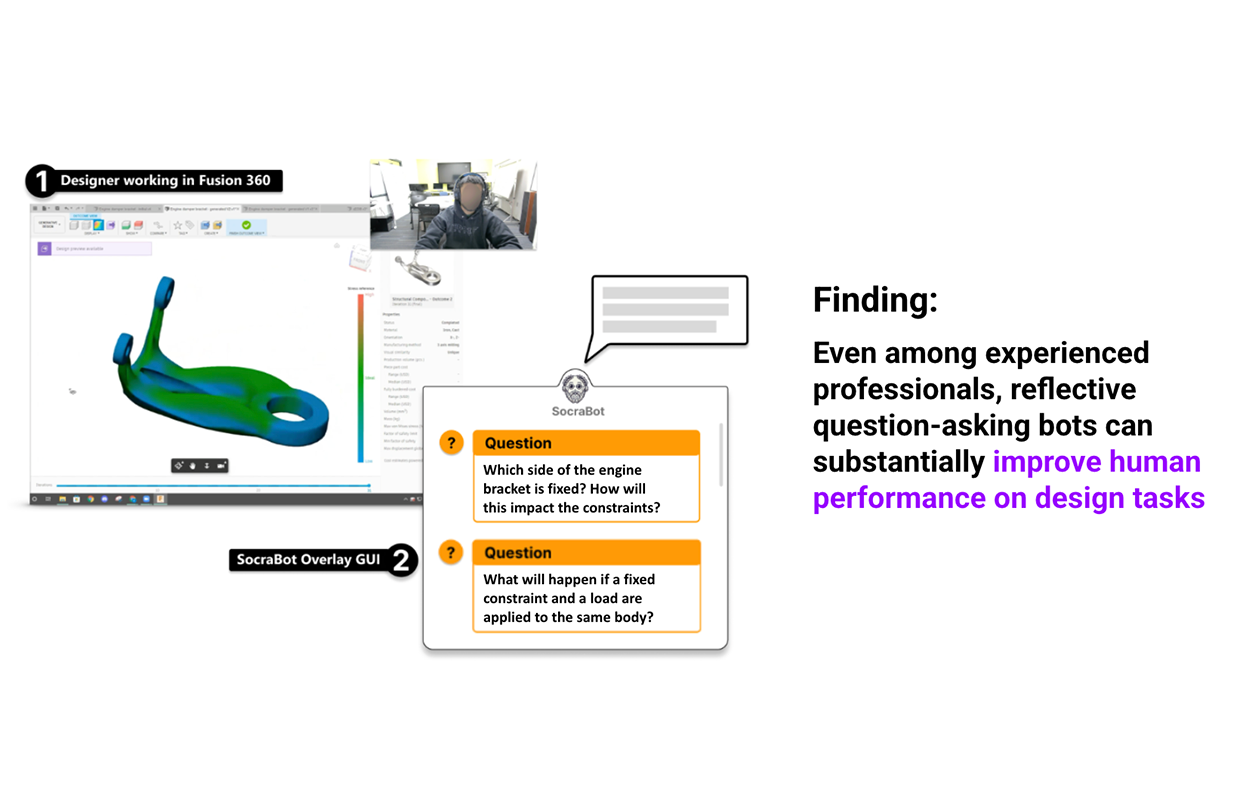
Exploring challenges and opportunities to support designers in learning to co-create with AI-based manufacturing design tools [CHI’23]
Best Paper Honorable Mention Award
Gmeiner, F., Yang, H., Yao, L., Holstein, K., Martelaro, N.

Wikibench: Community-driven data curation for AI evaluation on Wikipedia [CHI’24]
Kuo, T., Halfaker, A. L., Cheng, Z., Kim, J., Wu, M., Wu, T., Holstein, K.**, & Zhu, H.**
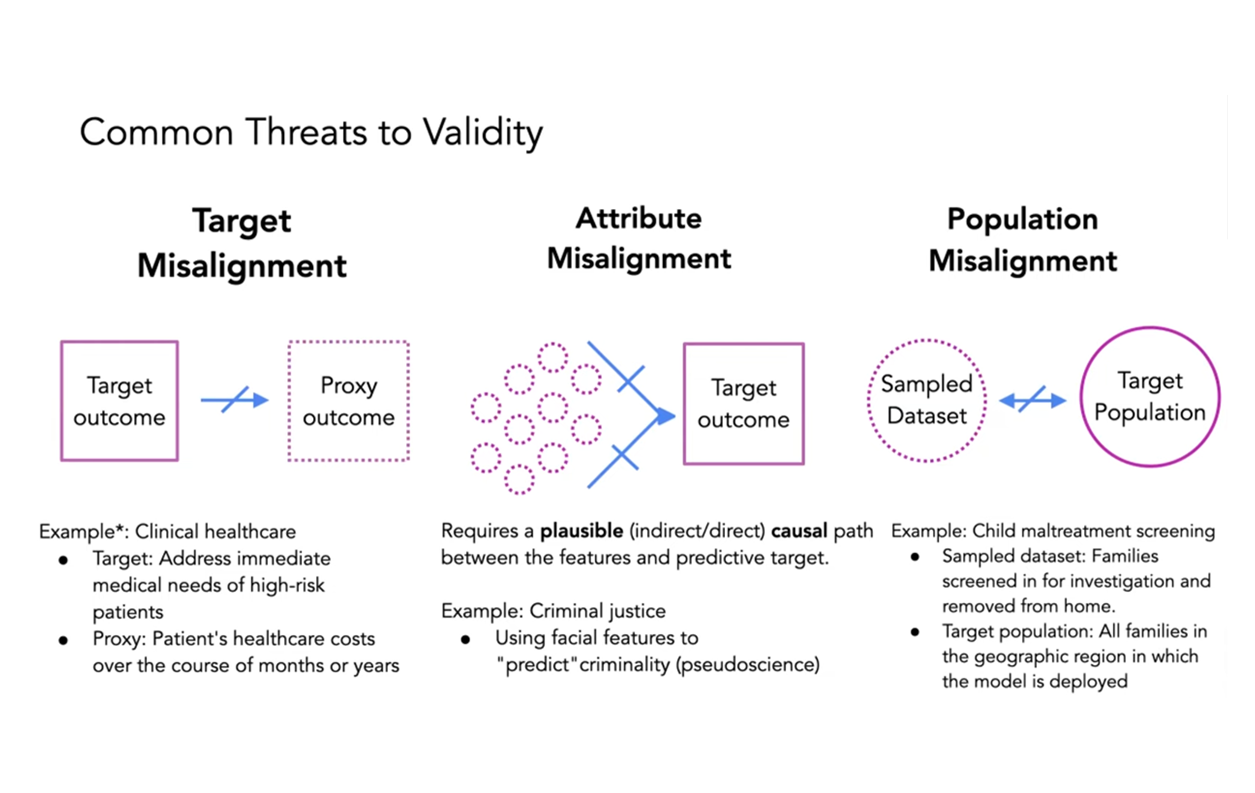
A validity perspective on evaluating the justified use of data-driven decision-making algorithms [SaTML’23]
Best Paper Award
Coston, A., Kawakami, A., Zhu, H., Holstein, K., & Heidari, H.
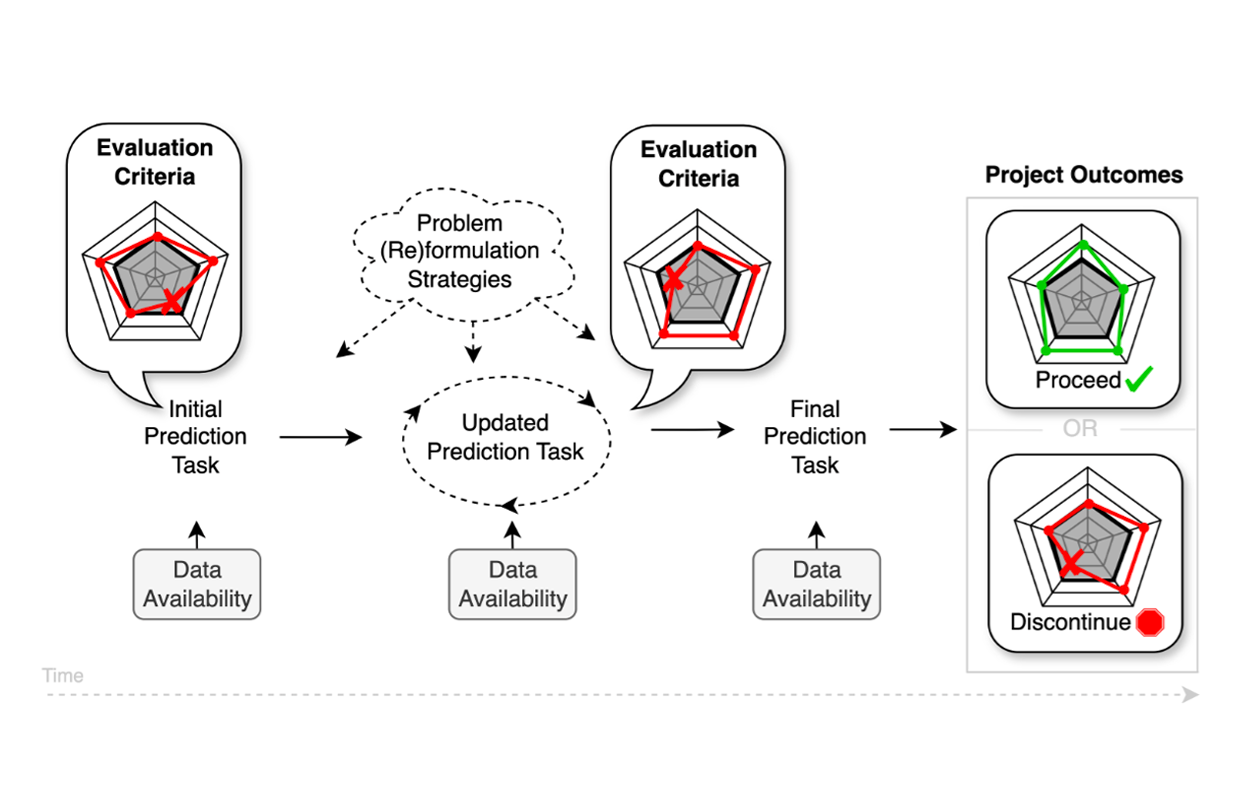
Measurement as bricolage: Examining how data scientists construct target variables for predictive modeling tasks [CSCW’25]
Guerdan, L.*, Saxena, D.*, Chancellor, S.**, Wu, S. Z.**, Holstein, K.**
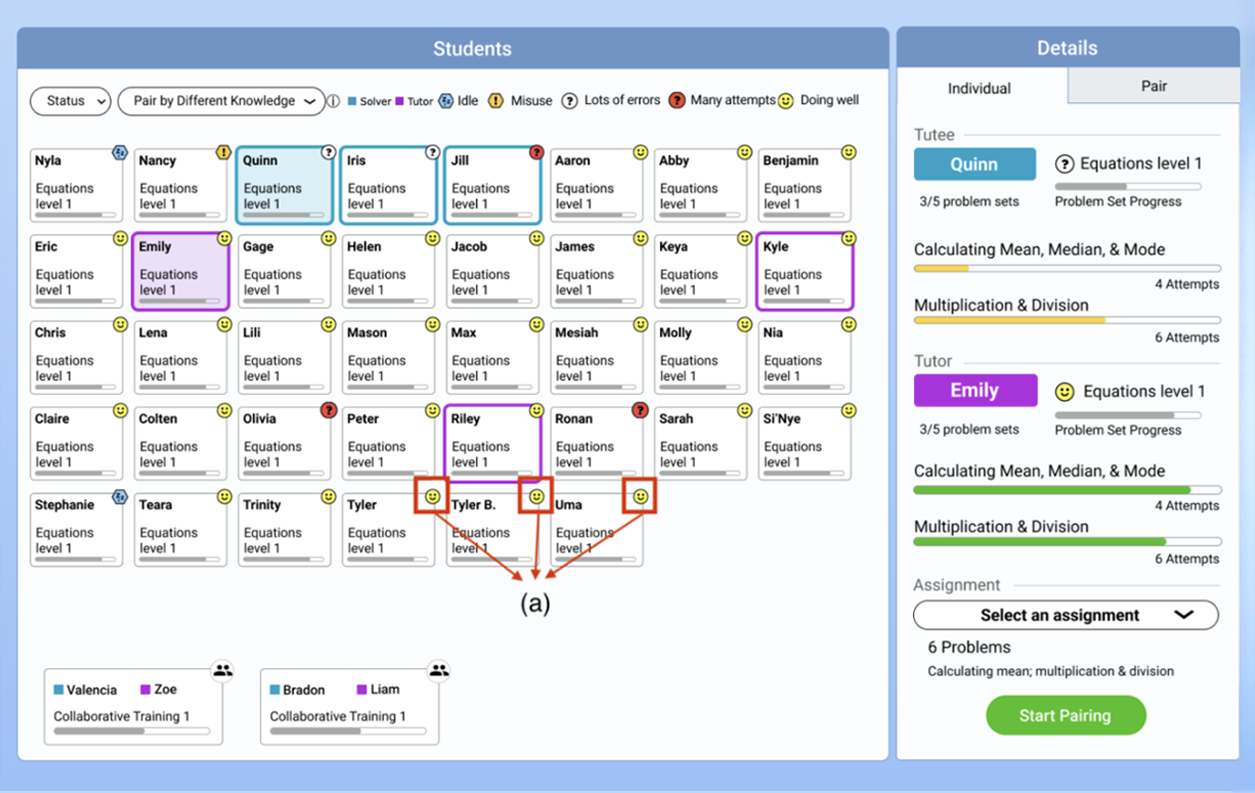
Pair-Up: Human-AI co-orchestration of dynamic transitions between individual and collaborative learning in the classroom [CHI’23]
Yang, K., Echeverria, V., Lu, Z., Mao, H., Holstein, K., Rummel, N., Aleven, V.
Improving fairness in machine learning systems: What do industry practitioners need? [CHI’19]
Holstein, K., Wortman Vaughan, J., Daumé III, H., Dudik, M., & Wallach, H.
Everyday algorithm auditing: Understanding the power of everyday users in surfacing harmful algorithmic behaviors [CSCW’21]
Shen, H.*, DeVos, A.*, Eslami, M.**, & Holstein, K**

The Situate AI Guidebook: Co-designing a toolkit to support multi-stakeholder, early-stage deliberations around public sector AI proposals [CHI’24]
Kawakami, A., Coston, A., Zhu, H.**, Heidari, H.**, & Holstein, K.**
Courses


Student Projects
| Project title | Open to | Primary contact |
|---|---|---|
| AI agents that support students’ critical thinking through argumentation | Semester projects, Internship projects, Bachelor’s theses, Master’s theses |
Chenyang Wang chenyang.wang[at]epfl.ch |
| AI-based facilitation for student group discussion and argumentation | Semester projects, Internship projects, Bachelor’s theses, Master’s theses |
Chenyang Wang chenyang.wang[at]epfl.ch |
| AI-based metacognitive scaffolding for group collaboration | Semester projects, Internship projects, Master’s theses |
Chenyang Wang chenyang.wang[at]epfl.ch |
| AI-powered training platform to prepare citizens for effective democratic deliberation | Semester projects, Internship projects, Bachelor’s theses, Master’s theses | Chenyang Wang chenyang.wang[at]epfl.ch |
| AI-based decision support tools that preserve and elevate human expertise | Semester projects, Internship projects, Bachelor’s theses, Master’s theses | Ken Holstein ken.holstein[at]epfl.ch) |
| Fostering students’ self-regulated learning skills for environments with ubiquitous GenAI access | Semester projects, Internship projects, Master’s theses | Ken Holstein ken.holstein[at]epfl.ch |
| Participatory and community-based approaches to AI evaluation design | Semester projects, Internship projects, Master’s theses | Ken Holstein ken.holstein[at]epfl.ch |
| Teachable AI agents to support human learning | Semester projects, Internship projects, Bachelor’s theses, Master’s theses | Chenyang Wang chenyang.wang[at]epfl.ch |
| Worker-centred design of workplace AI systems | Semester projects, Internship projects, Master’s theses | Ken Holstein ken.holstein[at]epfl.ch |
Interested in working with us?
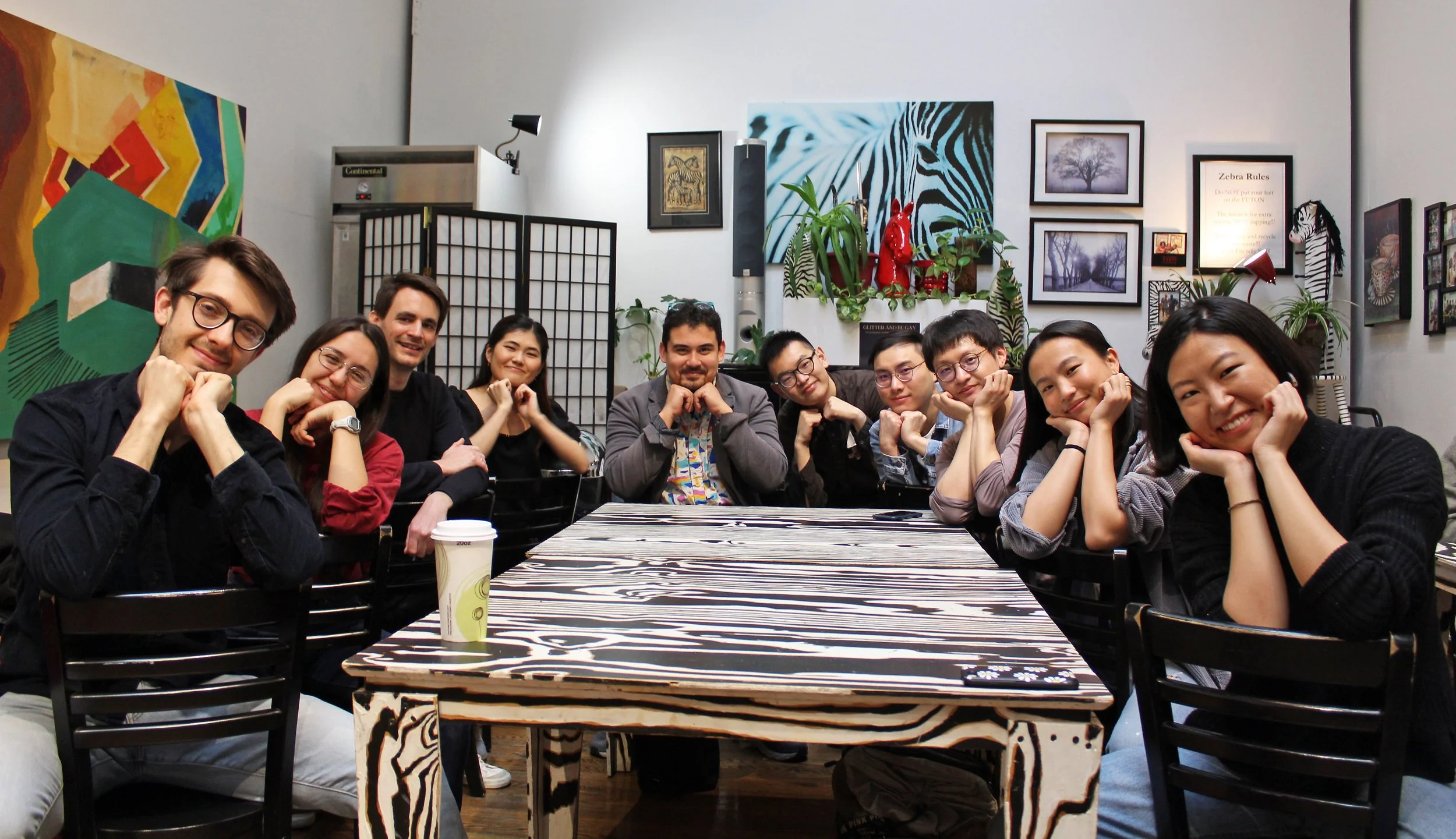
If you are interested in collaborating, please get in touch!
Note to prospective PhD students: We expect to accept at least one new PhD student in the 2026-2027 application cycle. If you are interested in joining the lab, please apply to the EDIC PhD program at EPFL. In your application, be sure to mention your interest in working with us, among other EPFL labs you are interested in working with. Given the volume of emails, we may not be able to reply to all emails received outside of the formal PhD admissions process.